

Case Study: A Modern Seeker’s Journey Through Roohani Ilaj and Istikhara for Marriage Harmony and Protection from Negative Energies
In this detailed case study, we explore the journey of a modern individual seeking spiritual solutions for marital harmony and protection from external negative energies through Rohani Ilaj (spiritual treatment) and Istikhara (Islamic spiritual consultation). We follow the entire process—from initial contact to diagnosis, treatment selection, and eventual outcomes—illuminating how responsible spiritual guidance can be sought online in line with Islamic ethics.
Background and Presenting Problems
Our seeker, Fatima, was facing increasing marital tension with her husband, which she felt was worsened by external negativity—possible evil eye or black magic influences. She was also concerned about frequent misunderstandings, emotional distress, and a sense of spiritual imbalance affecting her peace.
Fatima, a practicing Muslim, wanted to solve her issues through Islamic spiritual means, seeking protection and harmony in her marriage. She was cautious, seeking legitimate, ethical guidance aligned with Quranic teachings.
Data Gathering and Consent
Fatima contacted a reputable Roohani online healer. The practitioner asked for specific data to perform a spiritual diagnosis:
- Full names of both spouses
- Mother’s names
- Recent photographs
- A detailed account of the symptoms and struggles experienced
This information helps the practitioner identify spiritual causes such as black magic, evil eye, or other negative energies.
Before proceeding, explicit consent was obtained, emphasizing the importance of adhering to Islamic principles and avoiding any unlawful practices. The practitioner also explained that the goal was to seek lawful remedies and not to interfere unlawfully in others’ free will.
Explanation of the Spiritual Diagnosis Process
Using the provided data, the practitioner performs a spiritual diagnosis based on traditional methods rooted in Quranic and Prophetic teachings. This involves:
- Analyzing the names and photos for spiritual impressions via established Ruhani principles.
- Identifying possible causes such as black magic, jealousy, or evil eye.
- Recognizing spiritual imbalances or blockages.
This diagnosis informs the recommended treatment plan, combining Istikhara and Rohani Ilaj, tailored specifically to Fatima’s situation.
Treatment Plan
A. Istikhara
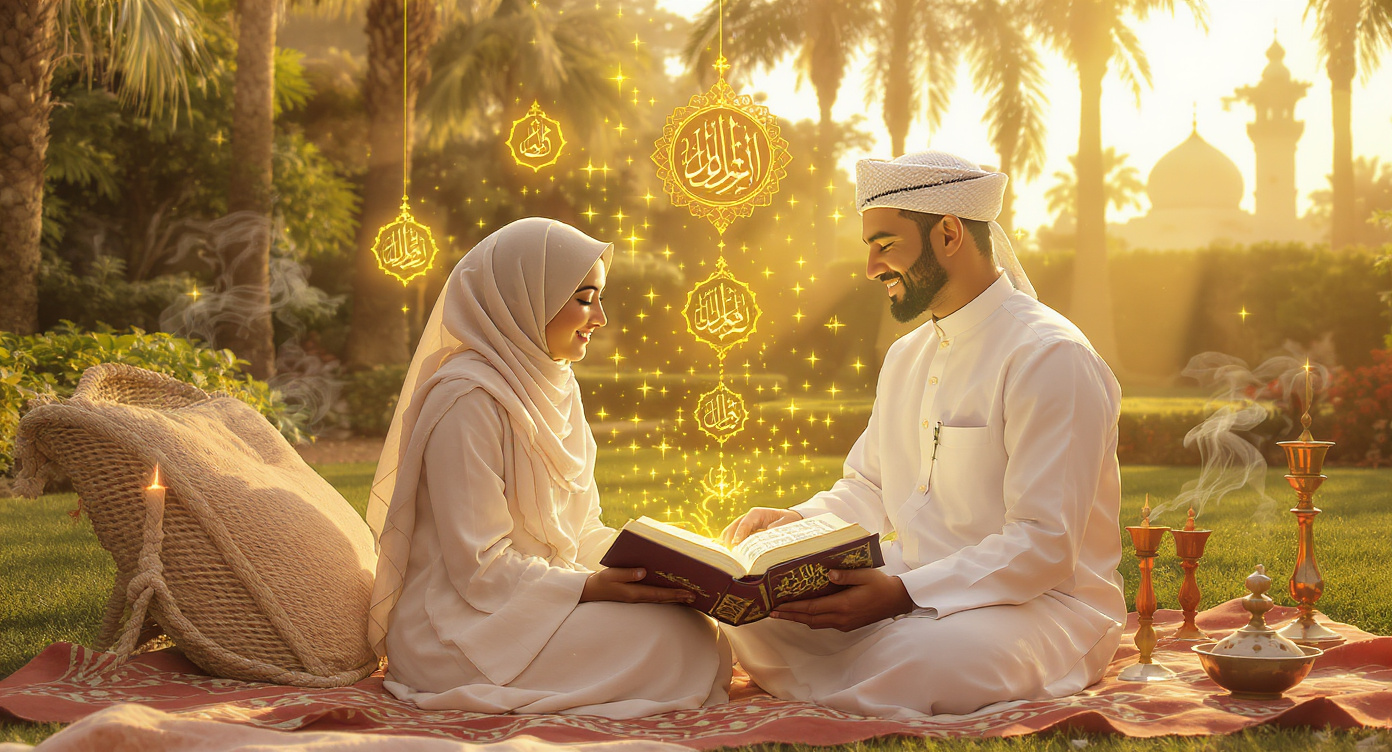
The first step was performing an Istikhara prayer for marriage harmony and protection—seeking Allah’s guidance on the best course of action.
B. Rohani Ilaj Options
Based on the diagnosis, the healer suggested a combination of:
- Ruqya (spiritual recitation) for protection
- Specific amulets or Taweez (talismans) for safeguard against negative energies
- Rituals to strengthen marital bonds and remove spiritual barriers
C. Decision Criteria
The healer emphasized that the choice between talismans and rituals depends on:
- The spiritual diagnosis outcome
- The severity of the problem
- The seeker’s faith and comfort with specific practices
If black magic or evil eye was identified, more intensive ruqya and spiritual protection measures were prescribed. For minor issues, simple surah recitations and dua were recommended.
Timelines and Delivery Steps
- Booking and Data Sharing: Fatima booked an appointment through the online platform and shared her details.
- Diagnosis: The practitioner analyzed the information within 24 hours.
- Treatment Recommendations: A detailed plan was shared, including suggested duas, amulets, and rituals.
- Timeline: The initial treatment was to be done within a week, with follow-up support as needed.
- Execution: Fatima followed the prescribed recitations and used recommended spiritual items.
Execution Details and Post-Diagnosis Steps
Fatima diligently performed the daily recitations of Surah Al-Falaq, Surah An-Nas, and specific duas for marriage and protection. She also used the recommended Taweez around her neck, which was prepared and blessed by the practitioner.
Follow-up involved regular check-ins, where the healer assessed progress, suggested additional duas, and advised on maintaining spiritual hygiene.
Outcomes
Short-term: Within two weeks, Fatima reported a reduction in marital tension, more understanding with her husband, and a sense of spiritual calm.
Long-term: Over three months, their relationship improved significantly. External negativity appeared to diminish, and overall spiritual harmony was restored. Evidence included their increased tranquility, better communication, and positive feedback from family.
Lessons Learned
- The importance of seeking lawful, Quran-based remedies rather than resorting to illicit or superstitious practices.
- The effectiveness of combining Istikhara with Rohani Ilaj when guided by qualified, ethical practitioners.
- Spiritual healing should complement, not replace, medical and psychological treatments.
- Ethical practice involves clear boundaries—spiritual professionals should not promote manipulation or illegal interventions.
Practical Tips for Readers
- Always verify the credibility and Islamic adherence of any spiritual healer.
- Understand that spiritual remedies require patience and consistent effort.
- Protect yourself from scams by asking for references, clear processes, and avoiding anyone promising instant results.
- Use duas, Qur’anic supplications, and lawful means for resolving personal issues.
Ethical Considerations and Cautions
- Islam strictly prohibits the use of Ruhani/Noorani ilm to facilitate haram relationships, such as extramarital affairs or non-marital contact. Verses like Surah Al-Israa (17:32) and teachings against zina underline this boundary.
- Be wary of practitioners claiming to use occult or Djinn-based rituals for love or wealth, as these often contradict Islamic principles and pose risks.
- Always seek guidance from knowledgeable, trustworthy scholars or qualified spiritual guides who abide by Shariah.
FAQs
Q1: Can I use Rohani Ilaj to influence someone’s feelings?
- A: No, Islam forbids manipulation of others’ free will; treatment should be for protection and lawful purposes.
Q2: Is spiritual healing a replacement for medical treatment?
- A: No, always consult healthcare professionals for medical issues; spiritual healing complements physical health.
Q3: How do I ensure a spiritual healer is legitimate?
- A: Check their reputation, seek references, verify their adherence to Islamic teachings, and avoid promises of quick miracles.
Conclusion
This case study exemplifies a responsible approach to using Rohani Ilaj and Istikhara for marriage harmony and protection, emphasizing adherence to Islamic ethics and the importance of lawful, sincere invocation of Allah’s help. Seeking guidance through Quranic dua and spiritual means, under expert supervision, can be effective when aligned with Islamic principles.
May Allah grant us all righteous paths, protection from negative influences, and blessed marriages rooted in faith and obedience.