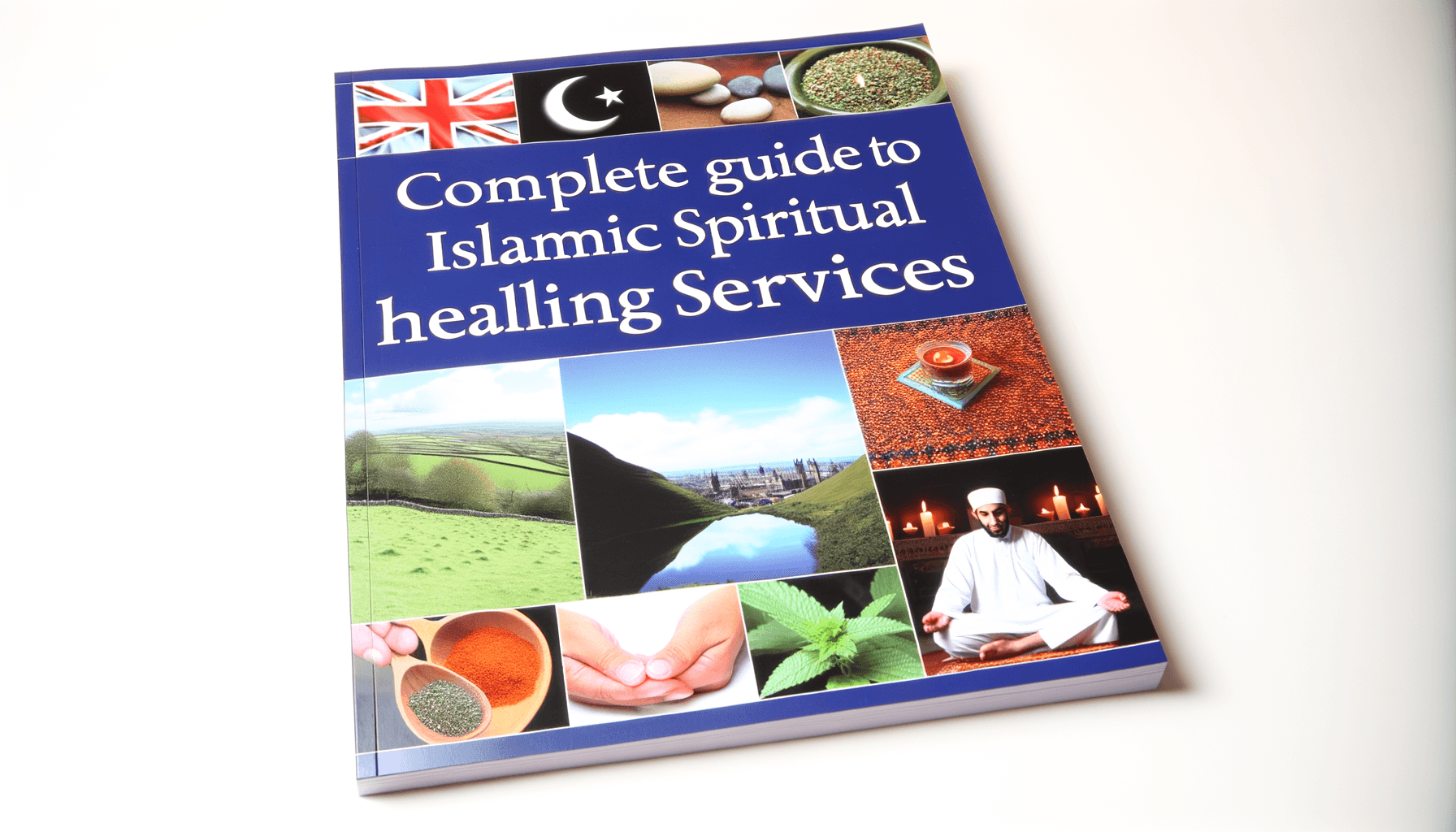



Ethical Online Rohani Ilaj: A Guide for Seekers and Practitioners
In the rapidly expanding world of online spiritual consultations, particularly in the realm of Rohani Ilaj (spiritual healing and treatment), maintaining ethics, transparency, and effectiveness is paramount. Both seekers and practitioners need clear guidelines rooted in Islamic principles to navigate these consultations responsibly.
This post outlines best practices for conducting Rohani Ilaj online, emphasizing key principles, common pitfalls to avoid, proven strategies, and safety measures to ensure a trustworthy and respectful experience for all parties involved.
Principles to Follow in Rohani Ilaj
1. Tawhid-Based Approach
Central to Islamic spiritual work is the principle of Tawhid—the Oneness of Allah. All practices should reinforce reliance on and acknowledgment of Allah’s sovereignty. Rohani Ilaj should not involve shirk (associating partners with Allah) or superstitious customs.
2. Informed Consent
Seekers must understand the nature, scope, and possible outcomes of the consultation. Practitioners should clearly explain what services entail, expected timelines, and limitations.
3. Privacy and Confidentiality
Protect seekers’ personal data and discussions, sharing nothing without explicit consent.
4. Compassion and Respect
Approach each case with empathy, respect, and patience, honoring cultural sensitivities and individual dignity.
Common Mistakes to Avoid
1. Overpromising Outcomes
Avoid making guarantees or promises about specific results, especially miraculous cures. Honest advice based on religious texts and principles should be emphasized.
2. Coercive Sales of Talisman or Rituals
Refrain from pressuring seekers into purchase or perform rituals beyond their understanding or comfort level.
3. Sharing Data Without Consent
Never share or disclose personal information to third parties unless legally required or with the seeker’s explicit permission.
4. Unclear Expectations
Set realistic, transparent goals to prevent misunderstandings that could lead to disappointment or misuse of spiritual practices.
Proven Strategies for Effective Rohani Ilaj
1. Structured Intake with Clear Goals
Begin with a detailed intake form that captures symptoms, history, and spiritual concerns, aligning expectations.
2. Diagnosis Flow with Timelines
Identify root causes and establish a timeline for progress, making the process clear.
3. Decision Pathways
Differentiate when to advise Istikhara (guidance prayer), talismanic measures, or rituals, based on ethical and safety considerations.
4. Safety-Focused Activation Steps
Ensure that spiritual activations or amliyat are performed with purity of intention, proper supplication, and within ethical bounds.
5. Documentation
Keep thorough records of assessments, practices performed, and seeker interactions for accountability.
6. Client Feedback and Milestones
Regularly gather feedback, review progress against set milestones, and adjust plans accordingly.
Measuring Success
- Defined Success Criteria: Spiritual or emotional improvements, adherence to ethical conduct.
- Milestones and Timelines: Setting realistic checkpoints.
- Client Feedback Loops: Regular check-ins to ensure seeker satisfaction and safety.
Safety and Ethical Considerations
- Avoid sensationalism, misinformation, and practices that exploit seekers.
- Clearly communicate the scope and limitations of Rohani Ilaj.
- Emphasize the importance of seeking medical or mental health support when necessary.
Red Flags and Credential Verification
- Be vigilant about scams or unqualified practitioners.
- Verify qualifications through independent reviews or credible references.
- Use vetted and reputable sources.
Practical Tools for Practitioners
- Use templates for intake forms, consent, and privacy agreements.
- Employ checklists for assessing seekers.
Seekers’ Checklists
- Questions to understand the issue.
- Clarifications about practices involved.
- Guidelines on safeguarding personal data.
Referral Boundaries
Practitioners should refer seekers to medical or mental health professionals if:
- Physical or psychological issues exceed spiritual treatment scope.
- There are warning signs of harm, abuse, or mental health crises.
Language and Tone Guidelines
Maintain a respectful, non-sensational tone that respects cultural sensitivities. Use language that promotes trust, humility, and ethical responsibility.
Internal Linking Ideas
- Prep guides for diagnosis flow.
- Safety protocols for talisman use.
- Ethical standards and best practices in spiritual work.
Target Audience Context
This guide is tailored for new online seekers who are exploring Rohani Ilaj and practitioners aiming to offer ethical, effective, and halal spiritual consultations. It emphasizes responsible practice, transparency, and adherence to Islamic principles.
Conclusion
Conducting Rohani Ilaj online requires a careful balance of spiritual knowledge, ethical responsibility, and compassionate service. By following these best practices, practitioners can build trust, ensure safety, and provide meaningful support while upholding the sacred boundaries prescribed by Islamic teachings.
Remember, true spiritual work aligns with the core Islamic values of tawhid, honesty, and compassion. Seekers are encouraged to pursue spiritual growth within the bounds of halal conduct, complemented by seeking appropriate healthcare when necessary.
For further reading, explore our guides on diagnosis flow, talisman safety, and ethics in Rohani Ilaj. Trust in Allah’s guidance and always prioritize integrity in your spiritual journey and practice.