
How-To Guide: Navigating Online Rohani Diagnosis and Choosing the Right Pathway for Modern Families
In today’s digital age, many families seek spiritual guidance and healing through online Rohani services. Understanding how the process works, what to expect, and how to select the appropriate treatment pathway is vital for ensuring effective, ethical, and safe spiritual care. This guide provides a step-by-step approach to help modern families navigate the online Rohani diagnosis process, clarify available options, and make informed decisions aligned with Islamic principles.
1. Introduction: Istikhara vs Rohani Ilaj — The Starting Point
Istikhara and Rohani Ilaj serve different purposes. Istikhara is a prayer seeking guidance from Allah when making decisions, while Rohani Ilaj involves spiritual treatments or remedies based on divine principles. The initial online Rohani diagnosis is a crucial step in personalizing the pathway suited to your family’s specific needs. It helps identify the underlying spiritual causes and guides you toward the most appropriate treatment, whether it be spiritual items, Rohani remedies, or rituals.
2. Step 1 — Information You May Need to Provide
To begin your online Rohani diagnosis, expect to share details that help the practitioner understand your situation:
- Names and Photos of those involved.
- Symptoms and Background: Describe what concerns you, including any specific issues or patterns.
- Purpose of Consultation: Clarify if you’re seeking protection, healing, or guidance.
Data Privacy: Reputable practitioners adhere to strict privacy standards. Your information — names, photos, symptoms — is handled confidentially and used solely for diagnosis and treatment planning.
3. Step 2 — What to Expect During the 2–5 Day Diagnosis Window
Once your details are submitted, the diagnosis process typically takes 2 to 5 days. During this period:
- The practitioner reviews the information carefully.
- Additional questions or clarifications may be requested.
- The diagnosis is based on Islamic principles aligned with Qur’anic guidance, ensuring ethical use.
Transparency is key — reputable practitioners will clearly explain what insights they derive and how they determine your treatment pathway.
4. Step 3 — Understanding the Two Main Pathways After Diagnosis
Path A: Spiritual Items / Turaq and Rohani Ilaj
- Includes Taweez, talismans, rings, or Amulets.
- These are used for protection or specific needs.
- Typically, sourcing ethical, safe items takes a short time.
- Rohani Ilaj may include recitations, duas, or prescribed spiritual practices.
Path B: Rohani Rituals
- Appropriate when the diagnosis indicates spiritual cleansing, protection, or specific spiritual work.
- Rituals should only be performed by qualified, experienced practitioners.
- Effects can vary; regular participation and patience are essential.
By understanding which pathway suits your needs, you can better align your expectations and efforts.
5. Step 4 — Decision Criteria: Cost, Time, Efficacy, and Ethics
When choosing your pathway, consider:
- Cost and Time: Spiritual items and Rohani Ilaj usually require a smaller investment and shorter timelines.
- Efficacy Expectations: Results may differ; discuss realistic outcomes with your practitioner.
- Islamic Ethics: Ensure the methods align with Qur’anic teachings, especially avoiding practices that contradict Islamic morality.
- Safety and Authenticity: Only trust certified practitioners who follow ethical sourcing and avoid scams.
6. Step 5 — Implementation of Each Pathway
For Items / Turaq and Rohani Ilaj:
- ** sourcing** from trusted sources;
- Maintenance includes regular handling, recitations, or protections.
- Monitoring progress and adjusting as needed.
For Rohani Rituals:
- Follow prescribed daily spiritual practices.
- Maintain consistent communication with your practitioner.
- Post-ritual care includes supplication and adherence to ethical conduct.
For Rituals:
- Ensure safeguards, explicit consent, and post-ritual supplications to maintain spiritual balance.
7. Step 6 — Practical Tips and Common Pitfalls
- Avoid scams: Verify practitioner credentials; seek reviews and transparency.
- Recognize limits: Spiritual remedies are not instant fixes; patience and consistent practice are essential.
- Beware of false promises: No guaranteed rapid results or guaranteed outcomes from occult practices.
8. Step 7 — Privacy, Safety, and Consumer Awareness
- Always choose practitioners adhering to privacy standards.
- Transparent pricing should be clear upfront.
- Ask about the ethical sourcing of spiritual items and protocols followed.
- Be cautious of guaranteed wealth or love claims; these often come with risk.
9. Real-World Example
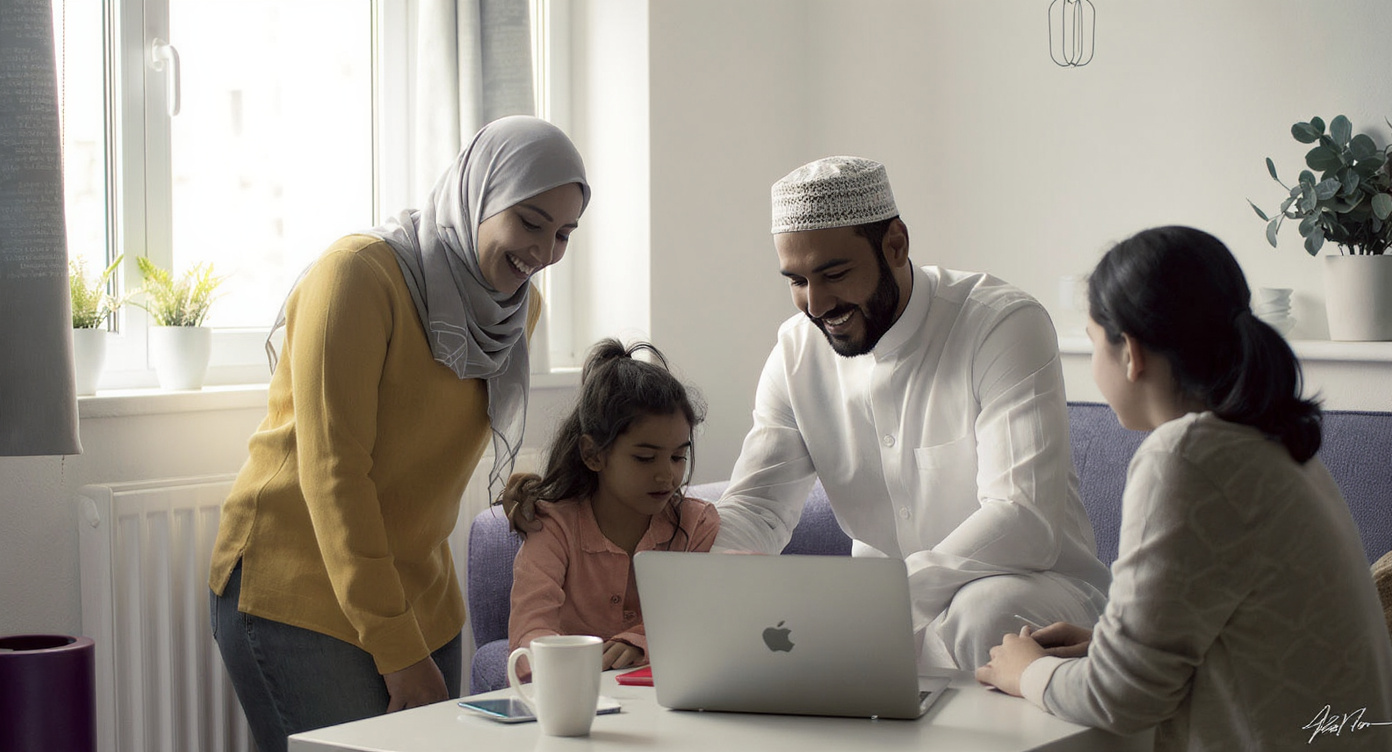
Ahmed and Fatima sought online Rohani diagnosis for protection from recurring negative energies affecting family harmony. After submitting their details, the diagnosis suggested a combination of a protected Taweez and daily Qur’anic recitation. Within a month, they noticed improved tranquility and spiritual comfort. They maintained regular supplications and avoided unverified rituals, adhering to Islamic ethics.
10. FAQs
Q: How long does the entire process take? A: From initial submission to initial results, typically 2–5 days.
Q: Are spiritual items or rituals expensive? A: Costs vary; items tend to be more accessible, while rituals may require more investment.
Q: Can I combine pathways? A: Yes, after consultation, combining items and rituals as per the diagnosis is common, ensuring ethical practice.
Q: What if I don’t see immediate results? A: Patience is key; spiritual work requires time and consistent effort.
Conclusion
Navigating the world of online Rohani diagnosis and treatment can be streamlined when you understand the process, ethical boundaries, and available options. Always prioritize safe, Qur’anic-based practices, and seek guidance from qualified, reputable practitioners. With patience, faith, and proper knowledge, you can make informed decisions that uplift your family spiritually while maintaining Islamic integrity.
Remember: Your spiritual well-being is aligned with adherence to Islamic principles, and genuine healing takes time, patience, and trust in Allah’s guidance.