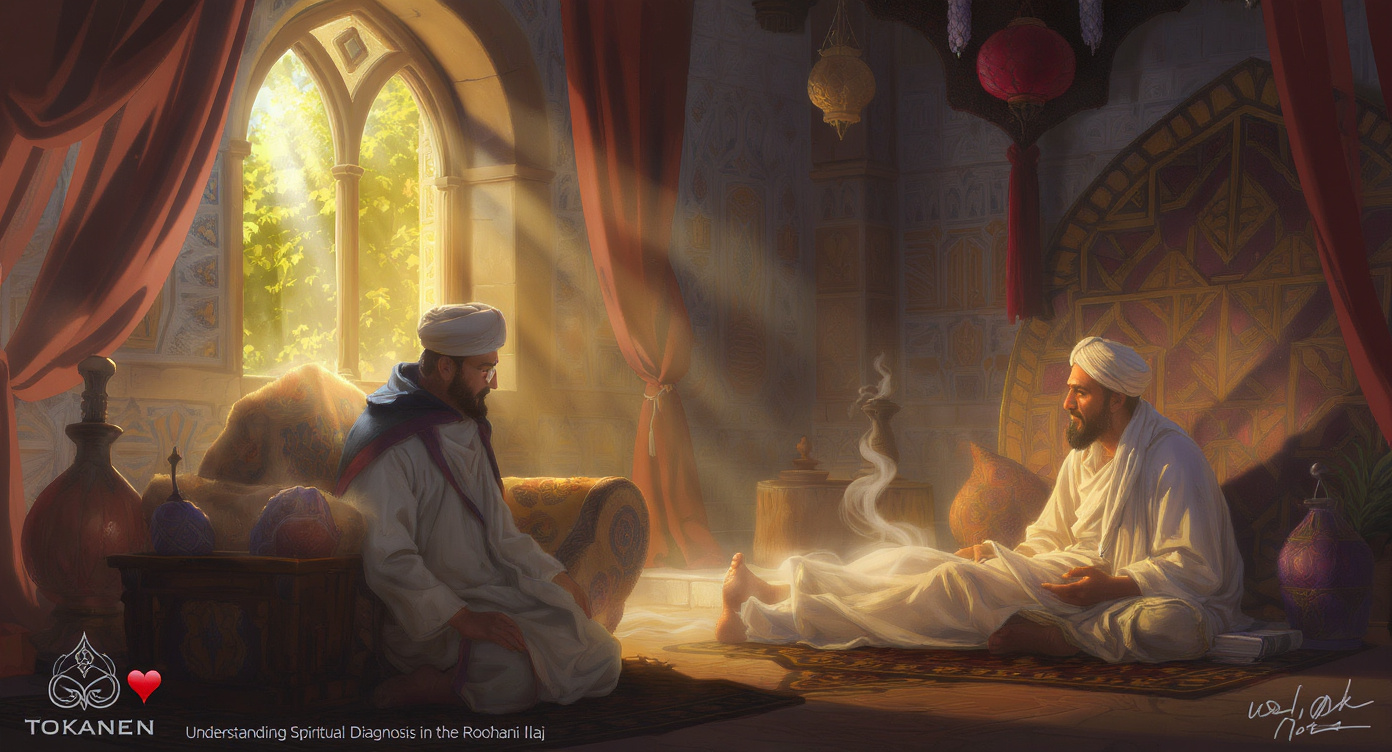

Understanding Spiritual Diagnosis in Roohani Ilaj and Online Help
In the realm of Islamic spiritual healing, spiritual diagnosis serves as a crucial step in understanding the spiritual health of an individual. It guides practitioners in selecting the most appropriate cure—be it a ritual, talisman, or other halal method—while adhering to Islamic ethics and avoiding misconceptions. This post explores what spiritual diagnosis involves, how it works within the framework of Roohani Online Spiritual Help, and how it ensures ethical, effective, and halal healing.
What is Spiritual Diagnosis?
Spiritual diagnosis in Roohani Ilaj (Ruhani Ilm) is an Islamic-guided process aimed at identifying spiritual ailments or influences affecting a person's well-being. Unlike medical diagnosis, which examines physical symptoms and employs tests, spiritual diagnosis looks into unseen influences such as black magic (kala jadu), the evil eye (nazar), presence of jinn, or affecting spiritual states.
What can it diagnose?
- Black magic (Kala Jadu): Malefic rituals or spells intended to harm or control.
- Evil Eye: Negative energy transmitted through envy, superstition, or jealousy.
- Jinn presence: Unseen entities that may influence spiritual or physical health.
- Qareen or Hamzaad: The spiritual companion or whisperer affecting a person’s thoughts and actions.
- Mental and spiritual issues: Anxiety, depression, or spiritual disturbances rooted in unseen causes.
What it cannot diagnose?
- Physical illnesses that require medical treatment.
- Psychological disorders that need psychological therapy.
The diagnosis aligns with Quran and Sunnah, emphasizing that these influences exist but must be addressed within Halal boundaries, avoiding any practices that violate Islamic principles.
How the Diagnostic Process Works in Roohani Online Spiritual Help
At Roohani Online Spiritual Help, the diagnostic process is conducted remotely—respecting privacy and maintaining ethical standards.
What information is used?
- Name and mother’s name: To uniquely identify the person spiritually.
- Symptoms: Both spiritual and physical symptoms that point towards potential influences.
- Photos: Visual details that may assist in identifying spiritual afflictions.
- Additional details: In some cases, detailed histories or specific concerns.
Why privacy and accuracy matter?
Maintaining confidentiality and accuracy ensures trust, ethical responsibility, and effective diagnosis. The process strictly adheres to Islamic ethics, ensuring that personal information is protected and that guides stay within halal boundaries.
How Diagnosis Guides Treatment Planning
Once a spiritual diagnosis is made, it informs the treatment approach. The choices include Ruhani rituals (Ruqyah, Istikhara, duas) or Talisman-based solutions (Taweez, amulets, rings).
Criteria for choosing solutions:
- Nature of the influence: For example, black magic may require specific rituals of Ruqyah, while evil eye may be countered with duas and, in some cases, a Taweez.
- Safety and ethics: All treatments are designed to be Halal, with no harm or misuse involved.
- Client’s needs and circumstances: Including preferences and sensitivities.
Why some cases require items and others rituals?
- Rituals of Ruqyah are spiritual recitations and supplications based on Quran and Sunnah.
- Talisman solutions are used when there's a need for constant protection—such as a Taweez or ring—placing divine words or symbols as a protective barrier.
Importantly, any solution aligns strictly with Islamic principles, avoiding any forbidden practices.
Limitations, Expectations, and Follow-up
Spiritual diagnosis is effective for specific unseen influences but has limitations:
- It does not replace medical or psychological treatment.
- It cannot guarantee 100% success; spiritual cures involve Allah’s guidance.
- Follow-up is essential to monitor progress, and sometimes combined approaches (medical + spiritual) are advisable.
When to seek conventional support:
If physical symptoms persist or mental health issues are severe, consult healthcare professionals alongside spiritual treatment.
Ethics, Privacy, and Halal Guidelines
Roohani Ilaj upholds high ethical standards:
- Transparency about outcomes.
- Privacy of client information.
- Use of only halal, Quran-based methods.
- Avoidance of any exploitation or scams.
Safeguarding against misuse:
Practitioners emphasize respect for Islamic boundaries and caution clients against claims of guaranteed success or magic.
Common Myths and Misconceptions
- Myth: Spiritual healing guarantees 100% success.
- Fact: Outcomes depend on various factors; Allah’s will is central.
- Myth: Online diagnosis is unreliable.
- Fact: When conducted ethically and accurately, remote diagnosis can be effective.
- Red Flags: Promises of quick fixes, asking for large sums, or encouraging unlawful practices.
Practical Examples (Illustrative, Not Actionable)
A person experiencing persistent spiritual disturbance might be diagnosed with black magic, leading to Ruqyah. Another facing recurring evil eye symptoms might receive a protective Taweez.
Takeaways
- Spiritual diagnosis in Roohani Ilaj is a guided, ethical process based on Quran and Sunnah.
- It helps identify unseen influences and guides appropriate, halal treatments.
- Always approach such services with caution, ensuring they align with Islamic principles and ethics.
If you seek trustworthy, ethical online spiritual help, learn more about Roohani Ilaj and how to initiate a consultation discreetly—preserving your privacy and faith.
For further details or to begin a consultation, contact reputable practitioners who uphold Islamic ethics and transparency.